 by
by Starting over in life is one of the most frightening and courageous things a person can do. It usually begins when something ends—a relationship, a job, a dream, a phase of life—but within that ending is the quiet possibility of a new self and a new story. It is not about erasing your past; it is about carrying forward what you have learned and choosing again, this time with more truth and more awareness.
Accepting the reality of your new beginning
Every new beginning starts with a moment of honesty: things are no longer what they were, and they will not go back to how they used to be. There may be heartbreak, shock, confusion, grief, or even relief, but starting over requires facing that reality instead of fighting it. Acceptance does not mean you approve of what happened; it means you acknowledge that this is where you are now. When you stop spending all your energy wishing the past would change, you free up strength to shape what comes next.
It helps to name what ended as clearly as you can: “That chapter is over.” Saying it out loud or writing it down gives your mind a boundary between “then” and “now.” From that boundary, you can begin to ask different questions—not “Why did this happen to me?” but “Given that this happened, who can I become?”
Honoring your pain without letting it define you
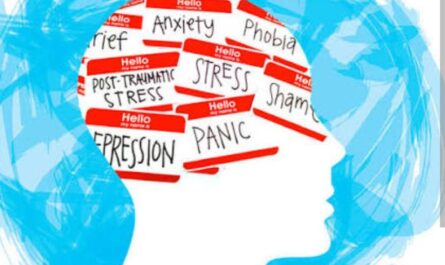
Starting over often comes with invisible wounds. You may feel like you failed, like you wasted years, or like everyone else is far ahead of you. It is important to remember that loss is not proof you are broken; it is proof that you were deeply invested in something that mattered. Your pain does not disqualify you from a good future; it is part of what will make you wiser and more compassionate if you let it.
Rather than rushing to “be positive,” give yourself permission to grieve what was lost: the future you imagined, the role you used to have, the identity that no longer fits. Cry if you need to, write unsent letters, speak with someone you trust, or sit with your emotions without trying to fix them immediately. When you honor your pain—without feeding it with self‑blame—you create space for healing and, eventually, for hope.
Reframing failure as raw material for growth
When a life chapter collapses, it is tempting to reduce everything to a single story: “I failed,” “I was foolish,” “I am not enough.” The problem with these stories is that they close doors instead of opening them. Starting over becomes easier when you begin to see your past not as a verdict on your worth, but as data, experience, and raw material.
Ask yourself: What did this experience teach me about who I am, what I need, what I cannot ignore, and what matters most? Maybe a breakup showed you that you were abandoning your own needs. Maybe losing a job revealed you were in a path that did not match your values or strengths. Maybe a move or a financial setback exposed your resilience and creativity in ways you never expected. None of this erases the pain, but it transforms your past from a chain into a foundation.
Returning to your core: who are you now?
Beginning again means meeting yourself again. You are not the same person you were before everything changed; you have seen more, felt more, and survived more. Instead of trying to recreate the old version of you, take time to get curious about who you are now.
You can gently explore this with questions like:
-
What do I value most now, after everything that has happened?
-
What kind of person do I want to be in the next chapter—regardless of circumstances?
-
Which parts of my old life felt like a mask, and which parts felt like the real me?
Write your answers slowly and honestly. You may find that some goals no longer fit, some relationships no longer feel safe, and some dreams you once feared now feel possible. This self‑understanding becomes your compass as you choose new directions.
Starting small: building tiny anchors of stability
When life has been shaken, the idea of redesigning your entire future can feel overwhelming. Strength and hope are not built in one grand gesture; they grow from small, steady actions repeated over time. Instead of trying to fix everything at once, begin with tiny anchors that give you a sense of stability.
These anchors might include:
-
A simple daily routine: waking up at a consistent time, making your bed, going for a short walk, or having quiet time without your phone.
-
One small act of care each day: drinking more water, stretching, journaling, praying, or meditating.
-
One practical step toward rebuilding: updating a CV, sending one email, researching a course, organizing one drawer or document.
These actions may seem insignificant, but they gently remind your nervous system that you are not powerless. Every small step is a vote for your future, a way of saying, “I am still here, and I am still moving.”
Letting yourself receive help and connection
Starting over can feel lonely, especially if people around you do not fully understand what you are going through. But isolation magnifies fear, while connection quietly nurtures hope. It takes courage to admit you are struggling, yet that vulnerability is often what opens the door to real support.
Reaching out does not have to be dramatic. You might send a message to a friend saying, “I’m going through a hard time and could really use someone to talk to,” or find a support group, mentor, or counselor. You may be surprised how many people have their own stories of starting over: divorce, illness, relocation, career changes, spiritual shifts. Hearing that others have walked through darkness and found light again reminds you that your story is still in progress.
At the same time, be mindful of who you let speak into your life. Seek out voices that combine honesty with kindness—people who will not minimize your pain, but also will not feed your despair. The right people will remind you of your strength when you forget it.
Allowing time: respecting the slow pace of rebuilding
In a world obsessed with speed and instant transformation, it is easy to feel behind or defective if your new beginning unfolds slowly. But deep change rarely happens fast. Grief, healing, and re‑orientation are not linear; some days you will feel strong and motivated, and other days you may feel like you have gone backward.
Respecting the slow pace of rebuilding means giving yourself permission to be in process. You can make progress even if you are unsure, even if you still feel afraid, even if you do not have the full picture of what comes next. The important thing is not perfection but direction: that you keep leaning toward life, toward honesty, toward growth—even in small ways.
Redefining hope as something you practice
When everything collapses, hope can feel like a fragile, distant thing reserved for other people—not for you. But hope is not just a feeling that magically appears; it is something you practice and cultivate. It grows each time you choose to believe that more is possible than what you see right now.
Hope can look like:
-
Choosing to imagine a future where you feel at peace, even if you do not know how you will get there yet.
-
Speaking to yourself with gentler words, replacing “It’s over for me” with “This is a hard chapter, but it is not the whole story.”
-
Noticing small evidences of goodness—a kind message, a moment of laughter, a sunrise, a new opportunity—and letting them count instead of dismissing them.
The more you practice hope in small ways, the more your inner world shifts from “everything is ruined” to “maybe something new can grow here.”
Embracing your story as a source of strength
Starting over in life is not a sign that you are weak, cursed, or forever doomed to repeat the same mistakes. It is a sign that life is still moving, that you are still capable of change, and that your story is still unfolding. The experiences that nearly broke you can, in time, become the very things that equip you to help others, to set healthier boundaries, to choose more aligned paths, and to appreciate joy more deeply.
You do not have to know exactly where you are going to take the next step. You do not have to feel brave to be brave. Strength often appears in the simple decision to get up one more time, to try again, to open your heart a little, even after it has been hurt. New beginnings are rarely neat or predictable, but inside them lies a powerful truth: you are allowed to start again, and again, and again—each time with more wisdom, more compassion, and a deeper sense of who you truly are.