 by
by The Hidden Side of School Life
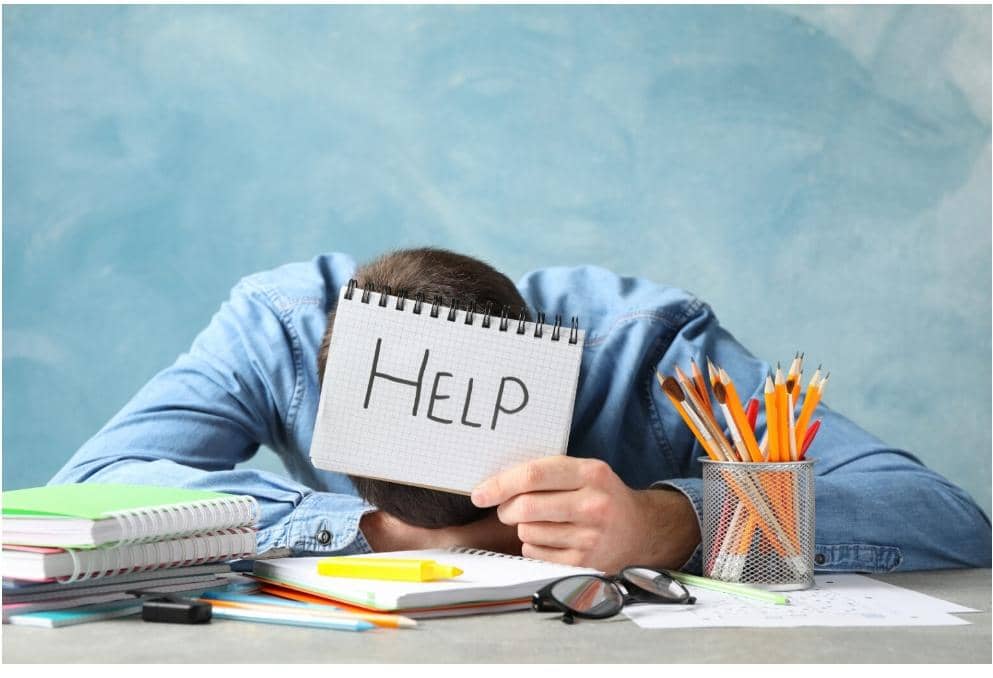
School is more than books and grades. Behind the classroom walls, students face many hidden struggles that shape who they are. These challenges affect confidence, friendships, and even academic performance. From the quiet anxiety of fitting in to the sting of online cruelty, these issues simmer beneath the surface, often unnoticed by adults. Understanding them helps parents, teachers, and communities support students better, fostering environments where kids thrive holistically. Let’s uncover these hidden battles and explore ways to fight them.
Peer Pressure: The Silent Influence
Students often feel pressure to fit in. From clothing choices to behavior, many follow the crowd even when it goes against their values. Imagine a 14-year-old named Alex, who loves reading sci-fi but skips the school book club because his friends mock “nerdy” hobbies. This pressure creates stress and lowers self-esteem, leading to decisions like vaping or skipping homework just to belong.
Studies from the American Psychological Association show that 70% of teens experience peer pressure, which can spike anxiety levels and even influence risky behaviors like early substance use. Yet, this isn’t inevitable. Learning to stay true to personal beliefs builds confidence. Parents can help by discussing values at home, while teachers might spotlight diverse role models. Students who practice saying “no” politely—perhaps through role-playing exercises—emerge stronger, turning potential pitfalls into personal victories.
Bullying and Cyberbullying
Bullying remains one of the biggest problems in schools. It can be physical, verbal, or emotional. Today, online bullying adds another layer of pain. Hurtful messages or public shaming on social media can damage a student’s confidence for years. Consider Sarah, a quiet 12-year-old trolled relentlessly on Instagram for her weight; the attacks followed her home, eroding her sleep and grades.
According to UNICEF, 1 in 3 students worldwide faces bullying, with cyberbullying affecting 15-20% of U.S. teens per CDC data. The anonymity of apps like Snapchat amplifies the harm, as victims relive trauma 24/7. The good news? Schools and parents can take action. Encourage students to speak up and report such behavior through anonymous apps or trusted hotlines. Programs like Olweus Bullying Prevention have reduced incidents by up to 50% by training everyone to be an “upstander,” not a bystander.
The Challenge of Making Friends
Not every student finds it easy to connect with others. Shy or introverted students may struggle to build friendships. Sometimes, cultural or personal differences create distance too. Picture Jamal, new to school from a different country, eating lunch alone because his accent draws stares. As a result, students may feel lonely or left out, which correlates with higher depression rates—a Yale study links social isolation to a 25% drop in academic motivation.
Encouraging kindness and inclusion helps create stronger bonds. Simple strategies include icebreaker activities in class, like “find someone who” games, or clubs focused on shared interests such as gaming or art. Teachers can pair students for projects intentionally, while parents nurture empathy through family discussions on welcoming newcomers.
Read Also: How to Take Care of Your Mental Health Without Feeling Overwhelmed
Cultural and Identity Differences
Classrooms are diverse. Students often come from different cultures, religions, or family backgrounds. These differences can be beautiful, but sometimes they lead to misunderstandings. When students feel excluded—like a hijab-wearing girl sidelined during group photos—it hurts their sense of belonging. Research from the Southern Poverty Law Center reveals that 60% of LGBTQ+ youth hide their identity at school due to fear, impacting mental health.
Promoting respect and open conversation helps bridge these gaps. Schools can host cultural fairs or “story-sharing” circles where kids share family traditions. This not only reduces bias but builds empathy, turning potential divides into strengths.
Competition Beyond Exams
Grades and rankings create competition among students. A little competition can inspire growth. Too much, however, can cause jealousy and tension between friends. Constant comparison makes some students feel like they are never good enough. In high-stakes systems like India’s board exams or U.S. college admissions, this pressure contributes to rising teen stress, with 40% reporting it as a top issue per Pew Research.
Building a culture that values effort over comparison eases this pressure. Praise processes like “great persistence!” instead of outcomes. Collaborative projects shift focus from rivalry to teamwork, helping friends celebrate each other.
Balancing Studies and Social Life
Finding balance is another hidden challenge. Students who focus on academics may miss out on social connections. On the other hand, those who spend too much time socializing may fall behind in their studies. A teen buried in AP classes might skip parties, feeling isolated, while a social butterfly ignores deadlines.
Learning time management helps students enjoy both sides of school life. Tools like planners or apps (e.g., Todoist) divide days into study blocks and fun slots. Schools can integrate “wellness periods” for unstructured hangouts.
Teacher–Student Relationships
Challenges don’t only exist among peers. Some students struggle to build trust with teachers. When they feel misunderstood or unsupported, it affects their confidence in learning. A strict teacher dismissing a student’s question as “dumb” can silence them forever.
Teachers who listen, encourage, and show empathy often make a lasting difference. Training in cultural competence and regular check-ins—like “How are you feeling about this unit?”—fosters trust and boosts engagement.

Coping Strategies for Students
-
Build self-confidence: Believe in your uniqueness. Journal three daily wins to rewire negative thoughts.
-
Seek support: Talk to trusted friends, teachers, or counselors. Helplines like the National Bullying Prevention Center offer 24/7 ears.
-
Respect differences: Embrace diversity instead of fearing it. Ask questions like, “What’s a tradition from your culture?”
-
Manage time wisely: Balance schoolwork and friendships with weekly schedules.
-
Stand up to bullying: Report it and support those who are targeted. One voice can spark change.
Conclusion: Looking Beyond the Books
The hidden side of school life does not appear in textbooks, yet it plays a huge role in shaping students. Peer pressure, bullying, competition, and identity struggles are real battles students face daily. By addressing these issues with empathy, education, and action, schools and families can build an environment where students not only learn but also grow into confident and socially aware individuals. Let’s prioritize the whole child.
Want to dive deeper? Check out https://www.unicef.org/documents/behind-numbers-ending-school-violence-and-bullying
What do you think is the biggest social challenge student face today, peer pressure, bullying, or making friends? Share your thoughts in the comment below.



One thought on “The Hidden Side of School Life”