by
by Toxic friendships drain your energy and stall personal growth, especially for busy students juggling academics and goals. Spotting these red flags early lets you reclaim time for studying smart, wellness, and scholarships.
Sign 1: Constant Negativity
Toxic friends fill conversations with complaints, pessimism, or drama, leaving you emotionally exhausted instead of uplifted. Rather than sharing your wins—like acing a JAMB mock—they focus on what’s wrong, dragging down your motivation for personal growth.
This negativity seeps into your habits; you skip study sessions or wellness routines to avoid their gloom. Healthy friends balance venting with positivity, celebrating progress like a new blog post on student finance.
Related: https://www.verywellmind.com/signs-of-a-toxic-friend-8430982
Sign 2: Undermining Achievements
They downplay your successes, like dismissing your scholarship application or good grades with “Anyone could do that.” Jealousy turns your milestones into competition, making you hesitant to share goals.
In student life, this blocks growth—imagine prepping for UniPort exams while they belittle your efforts. True friends cheer your SEO blog hits or fitness gains, fueling ambition.
Sign 3: One-Sided Effort
You’re always initiating plans, checking in, or helping with their assignments, but they flake or ignore your needs. This imbalance exploits your time, cutting into your content creation or low-sugar meal prep.
Over time, it breeds resentment; you feel used, like lending notes without reciprocity. Balanced friendships involve mutual support, such as group study swaps.
Sign 4: Lack of Support in Goals
When you discuss ambitions—like wellness challenges or education funding—they dismiss or mock them, saying “That’s unrealistic” or changing the subject. They prioritize their drama over your dreams.
For Nigerian students, this hits hard during scholarship seasons or exam prep, stalling progress. Supportive pals motivate, sharing resources for personal development.
Sign 5: Manipulative Criticism
Frequent “jokes” belittle your choices, like mocking your study techniques or healthy eating as “trying too hard.” This erodes confidence, making you doubt evidence-based habits from active recall to Pomodoro.
Manipulation via guilt—”If you cared, you’d skip studying for me”—isolates you from growth networks. Genuine feedback builds up; toxic barbs tear down self-esteem.
Effects on Student Life
These signs compound stress, lowering grades and wellness. Constant drain mimics mental fatigue, worse than humid Port Harcourt heat, per psychology insights on emotional labor.
You might procrastinate blogs or skip fitness for their chaos, derailing SEO goals or scholarship pursuits. Long-term, it fosters anxiety, blocking the personal growth you champion.
Steps to Break Free
First, reflect: Journal interactions for patterns—does time with them energize or exhaust? Set boundaries, like “I can’t chat during study hours,” and observe reactions.
Communicate calmly: “I feel unsupported when my goals are dismissed.” No change? Distance gradually—reduce invites, focus on positive circles like study groups.
Seek healthier ties: Join uni clubs or online communities for wellness and student finance chats. Therapy or counseling at school helps process guilt. Prioritize self-care; you’re building a thriving future.
Reclaim your circle to amplify growth—more time for smart studying, content creation, and low-sugar energy. Spot toxicity, step away, and thrive.
Real friends want to see you become better. 10 Powerful Life Lessons Every Teen Should Learn Before 20 explores how to grow into your best version. Toxic ones prefer you to stay the same or beneath them.
Once you start improving — maybe you gain confidence, get a new job, or start setting boundaries — they become distant or jealous.
Growth can reveal who truly supports you. And sometimes, that truth hurts.
But don’t stop growing just to keep someone comfortable.
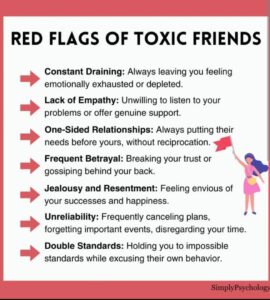
Letting go of a toxic friend is hard, especially if you’ve shared a lot of memories. You might feel guilty or afraid of being alone.
Still, peace is better than pretending. Healing starts when you choose yourself.
Surround yourself with people who bring out your best. Real friendship feels safe, supportive, and full of joy — not confusion or pain.
If you don’t know how to deal with a toxic friend https://www.verywellmind.com offers practical advice on how to deal with a toxic friend.