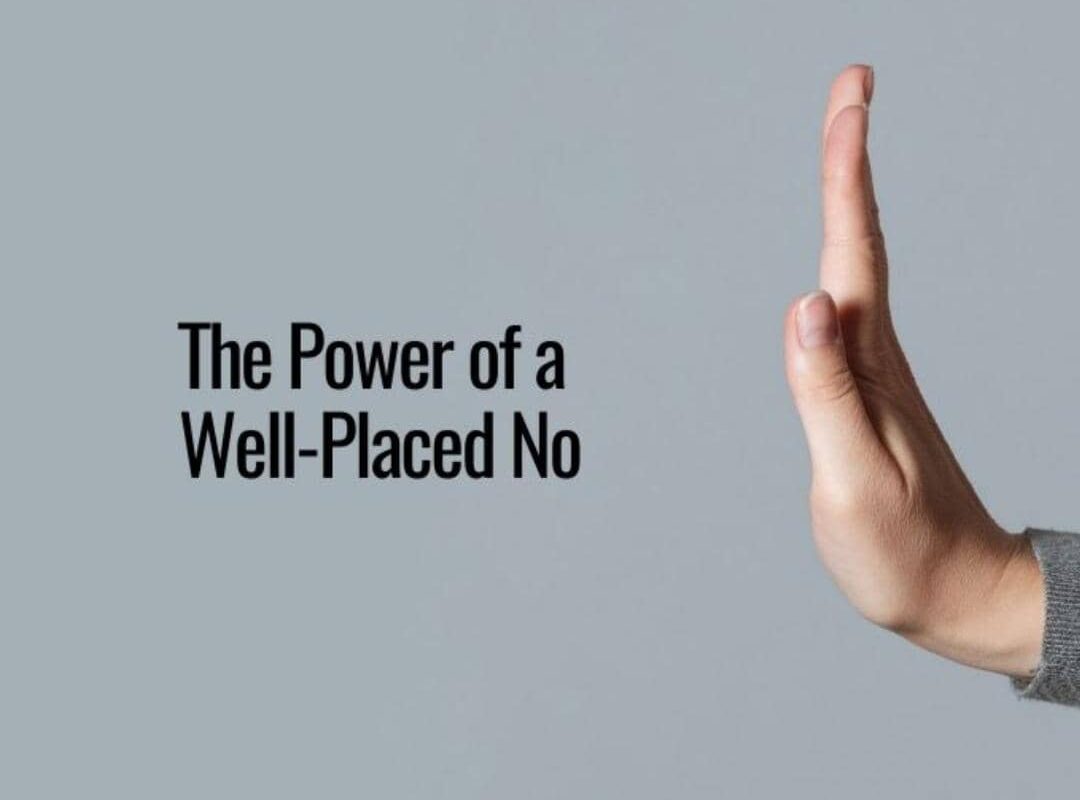
Saying no reclaims your time and energy, transforming overwhelm into purposeful action for students chasing goals like scholarships and wellness. It’s a boundary-setting superpower that aligns daily choices with long-term growth, backed by psychology on self-respect and reduced stress.
Builds Self-Respect
Mastering “no” signals you value your priorities over pleasing others, boosting confidence with each use. People-pleasers often burnout from yes-defaulting, but saying no fosters assertiveness, making future decisions easier—like skipping distractions for SEO blogging sessions.
Studies show boundary-setters report higher self-esteem; you start seeing yourself as the priority. For Nigerian students, this means protecting study hours from group chat drama, empowering authentic progress.
Reduces Stress and Burnout
Every unchecked yes adds mental load, spiking cortisol and fogging focus needed for exams or content creation. No creates breathing room, slashing anxiety by 20-30% per habit research, letting you sustain Pomodoro bursts without crash.
Imagine declining extra errands to prep low-sugar meals—energy rebounds for personal growth. This shift prevents resentment, keeping relationships healthier long-term.
Boosts Productivity
Fewer commitments mean deeper focus on high-impact tasks, like scholarship apps or blog drafts. Saying no filters noise, increasing output by prioritizing; one study found focused workers 40% more efficient.
Use it to curate your circle: No to toxic friends opens slots for supportive study buddies. Result? Amplified results in less time, freeing evenings for wellness walks in Port Harcourt.
Enhances Relationships
Paradoxically, respectful nos build trust—friends respect boundaries, reducing one-sided dynamics. It weeds out takers, attracting givers who value mutual growth, like peers sharing student finance tips.
Clear communication (“No, but here’s an alternative”) maintains harmony while honoring your goals. Over time, this cultivates reciprocal bonds that uplift, not drain.
Sparks Creativity and Growth
No forces innovation: Declining routine paths opens space for bold ideas, from new blog angles to side hustles. Limitations breed resilience, as seen in entrepreneurs who pivoted after rejections.
It empowers others too—saying no to fixing their problems teaches self-reliance, modeling empowerment. In student life, this ripples: More time for Feynman technique practice, sharper skills emerge.
Practical Ways to Start
Practice low-stakes no’s: “No thanks, I’m focusing on my goals today.” Pair with positives: “No, but try this resource.” Journal wins weekly to build momentum.For you, apply to toxic ties or over commitments—say no to group hangs during JAMB prep. Track freed time; expect clearer mind, better grades, thriving wellness.Embracing no isn’t selfish—it’s essential for the empowered life you deserve. Start small, watch transformation unfold.
 by
by